The French word Désolé is commonly used to express apology, regret, or sympathy. Understanding Désolé Meaning helps learners communicate politely and naturally in French. Explore desole meaning, je suis desole meaning, pronunciation, usage, and cultural significance.
Literal Meaning of “Désolé” (Desole Meaning / Desole Meaning French)
The word Désolé is an adjective in French that literally translates to “sorry” in English. It is widely used in both casual and formal situations.
Key Points:
- Primary meaning: Sorry / Apologetic
- Alternative meanings: Regretful, disappointed, sympathetic
- Part of speech: Adjective
Quick Reference Table:
| Word | Part of Speech | Literal Meaning | Notes |
|---|---|---|---|
| Désolé | Adjective | Sorry | Used for personal apologies or expressing regret |
| desole | Adjective | Sorry | Same word without accent, used in informal writing |
| Je suis désolé | Phrase | I am sorry | Common phrase for personal apology |
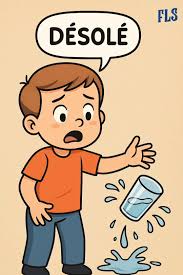
Pronunciation of “Désolé”
Learning the correct pronunciation is essential.
- Phonetic transcription: /de.zo.le/
- Syllable breakdown: de – zo – lé
- Masculine vs Feminine forms:
- Masculine: désolé
- Feminine: désolée
Tip: Pronounce the last “é” clearly to sound natural in French.
How to Say “I Am Sorry” in French (je suis desole meaning)
The phrase Je suis désolé literally means “I am sorry” in English.
- Breakdown:
- Je → I
- suis → am
- désolé(e) → sorry
Usage Examples Table:
| French Phrase | English Meaning | Usage Context |
|---|---|---|
| Je suis désolé. | I am sorry. | General apology |
| Je suis désolé pour toi. | I am sorry for you. | Sympathy / comfort |
| Je suis désolé de … | I am sorry to … / for … | Formal or personal regret |
Bullet Points – Common Usage Situations:
- Apologizing for mistakes: “Je suis désolé pour le retard.”
- Expressing sympathy: “Je suis désolé pour votre perte.”
- Politely declining: “Désolé, je ne peux pas venir.”
Differences Between “Désolé” and Other French Apologies
French has multiple ways to apologize. Here’s a quick guide:
- Pardon: Casual, “Excuse me”
- Excusez-moi: Polite/formal “Excuse me”
- Je regrette: “I regret” (more formal or written)
Tip: Use Désolé for everyday apologies, and Je regrette in formal letters or situations.
Masculine vs Feminine Forms
The word changes depending on the gender of the speaker:
- Masculine: Désolé → Il est désolé. → He is sorry.
- Feminine: Désolée → Elle est désolée. → She is sorry.
Bullet Points – Usage Tips:
- Always match désolé(e) to the speaker’s gender.
- Add vraiment to soften: Je suis vraiment désolé(e). → I am really sorry.
Cultural Significance of “Désolé”
- Saying Désolé is considered polite and respectful in French culture.
- Tone, body language, and timing can affect how sincere the apology feels.
- Overusing it may seem insincere, so use it carefully.
Common Phrases with “Désolé”
Bullet List:
- Désolé pour le dérangement → Sorry for the inconvenience
- Je suis désolé de t’avoir offensé → I’m sorry for offending you
- Désolé, je n’ai pas compris → Sorry, I didn’t understand
Tips for Using “Désolé” Correctly
- Use désolé(e) for personal apologies rather than formal documents.
- Match the gender with the speaker.
- Soften your apology with vraiment or beaucoup for emphasis.
- Practice using Je suis désolé in daily conversation to sound natural.
Understanding Désolé Meaning is essential for anyone learning French. From desole meaning to je suis desole meaning, this word allows you to apologize, show sympathy, and communicate politely. Mastering its pronunciation, gender forms, and cultural nuances will help you interact confidently in French conversations.