The phrase c’est Meaning is one of the first things learners encounter when studying French. It is a very common expression used in daily conversation to identify, describe, or explain something. Understanding the c’est Meaning helps beginners quickly form simple sentences in French. In English, this phrase usually translates to “it is,” “this is,” or “that is.”
French speakers use it in many everyday situations, from introducing someone to describing an object or expressing an opinion. You will learn the meaning, pronunciation, grammar structure, and examples of this important French expression.
What Is c’est Meaning in French?
In French, c’est is a contraction of “ce” and “est.” It is commonly used to introduce or describe something.
Common translations
- It is
- This is
- That is
The exact translation depends on the context of the sentence.
Examples
| French Sentence | English Translation |
|---|---|
| C’est bon | It is good |
| C’est vrai | That is true |
| C’est une voiture | This is a car |
| C’est incroyable | It is incredible |
These examples show how the phrase works in everyday French sentences.
c’est Meaning in English Explained
When learning French, understanding c’est meaning in English is essential because it appears in many basic sentences.
The phrase can be used for several purposes:
- Identifying objects
- Introducing people
- Giving opinions
- Describing situations
Example sentences
- C’est facile – It is easy
- C’est mon ami – This is my friend
- C’est magnifique – That is beautiful
Because of its flexibility, the phrase is used frequently in both formal and casual French conversations.
Grammar Breakdown of “c’est”
To fully understand the c’est Meaning, it helps to look at the structure of the phrase.
| Word | Meaning | Function |
|---|---|---|
| Ce | This / That | Demonstrative pronoun |
| Est | Is | Verb form of “être” |
| C’est | This is / It is | Contracted phrase |
Important grammar rule
- Ce + est → c’est
This contraction happens because French grammar often removes a vowel and replaces it with an apostrophe to make pronunciation smoother.
Pronunciation of “c’est”
Pronouncing the phrase correctly will help you sound more natural when speaking French.
Pronunciation guide
- Written form: c’est
- IPA pronunciation: /sɛ/
Key pronunciation tips
- The “c” sounds like the letter s in English.
- The “t” at the end is usually silent.
- The sound is close to the English word “say.”
Listening to native speakers can help improve pronunciation.
How to Use “c’est” in French Sentences
The phrase is extremely versatile and appears in many types of sentences.
Common uses
- Identifying objects
Example: C’est un livre – This is a book - Describing something
Example: C’est intéressant – It is interesting - Expressing opinions
Example: C’est incroyable – It is incredible - Introducing someone
Example: C’est Marie – This is Marie
These examples show how the phrase works in both formal and casual communication.
qu’est-ce que c’est Meaning
Another very common French expression is qu’est-ce que c’est, which is closely related to the phrase we are discussing.
qu’est-ce que c’est meaning
It translates to:
- What is this?
- What is it?
Structure explanation
| Part | Meaning |
|---|---|
| Qu’ | What |
| Est-ce | Is it |
| Que | That |
| C’est | It is |
Example sentences
- Qu’est-ce que c’est ? – What is this?
- Je ne sais pas ce que c’est – I don’t know what it is.
This phrase is extremely common in spoken French.
qu’est que c’est Meaning (Common Variation)
Sometimes people search for qu’est que c’est meaning without accents or correct spelling. However, the proper French form is qu’est-ce que c’est.
Even though the spelling may vary in searches, the meaning remains the same:
“What is this?”
This question is often used when someone sees an unfamiliar object or wants clarification about something.
Difference Between “c’est” and “il est”
French learners often confuse these two expressions because both can translate to “it is.”
| Phrase | Meaning | When Used |
|---|---|---|
| C’est | This is / That is | Used for general statements |
| Il est | He is / It is | Used for specific descriptions |
Examples
- C’est un professeur – This is a teacher
- Il est professeur – He is a teacher
Understanding this difference will help improve your grammar accuracy.
Common Expressions Using “c’est”
Many well-known French expressions use this phrase.
Popular examples
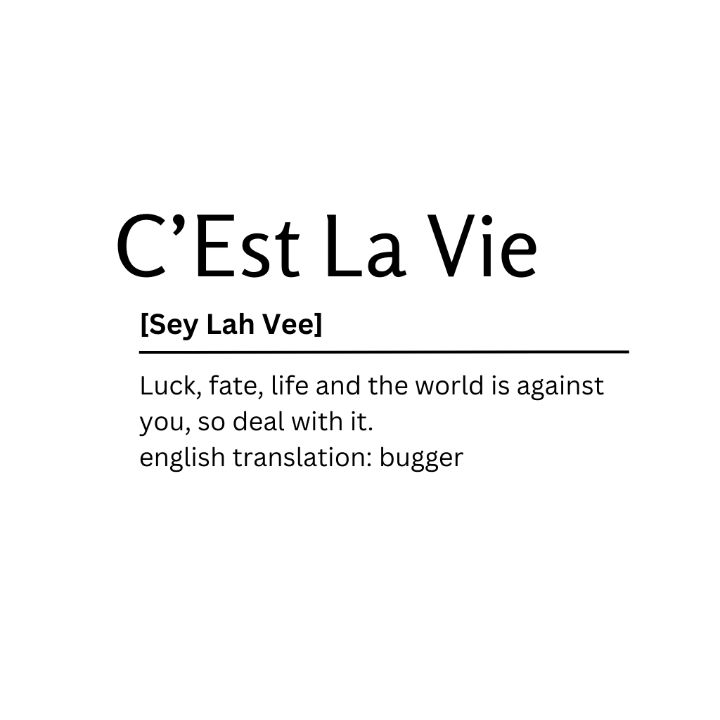
- C’est la vie – That’s life
- C’est bon – It’s good
- C’est vrai – That’s true
- C’est fini – It’s finished
- C’est parfait – It’s perfect
These expressions are widely used in everyday conversations.
Examples of “c’est” in Daily Conversations
The phrase appears frequently in normal French dialogue.
Example conversation
Person A: Qu’est-ce que c’est ?
Person B: C’est un gâteau.
English translation
Person A: What is this?
Person B: It is a cake.
These short dialogues show how natural the phrase sounds in conversation.
Common Mistakes When Using “c’est”
French learners sometimes make small errors when using this phrase.
Frequent mistakes
- Confusing c’est with il est
- Incorrect pronunciation
- Using the phrase in the wrong context
- Forgetting the apostrophe
Learning the grammar rules and practicing examples can help avoid these mistakes.
Why “c’est” Is Important in French
There are several reasons why this phrase is essential for French learners.
- One of the most common phrases in the French language
- Helps create simple sentences quickly
- Useful for beginners learning conversation
- Appears in everyday speech
Mastering this expression makes it easier to communicate basic ideas in French.
Quick Summary
| Topic | Explanation |
|---|---|
| c’est meaning | It is / This is / That is |
| Language | French |
| Pronunciation | Similar to “say” |
| Grammar | Contraction of ce + est |
| Related phrase | qu’est-ce que c’est |
Understanding c’est Meaning is an important step for anyone learning French. This small but powerful phrase allows speakers to describe, identify, and explain things in everyday conversation. From simple sentences like “C’est bon” to questions like “Qu’est-ce que c’est,” the expression appears constantly in the language.
By practicing its pronunciation, grammar rules, and common examples, learners can quickly become more confident when speaking French.