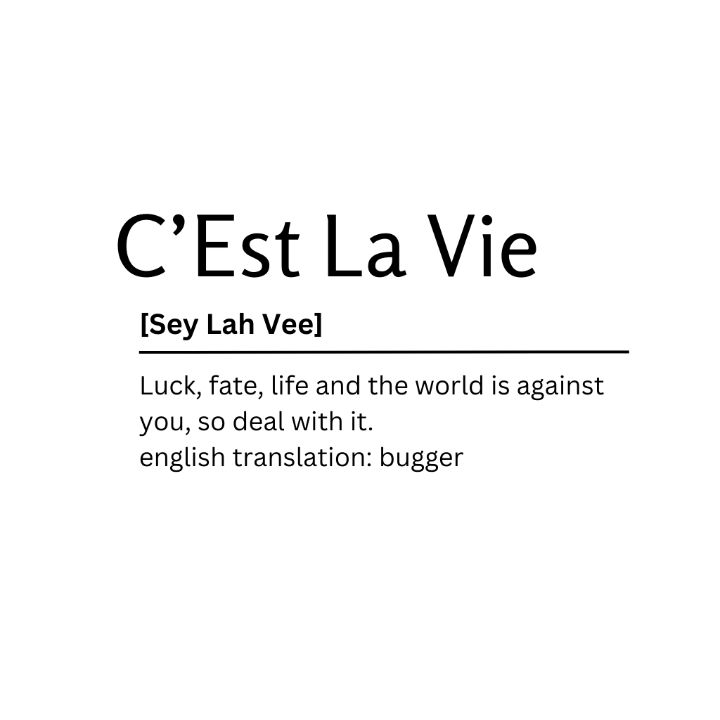
C’est la vie Meaning refers to the French phrase that translates to “that’s life” in English. People commonly use this expression to accept situations that cannot be changed, especially when something disappointing or unexpected happens. The phrase reflects a relaxed attitude toward life’s ups and downs. Understanding the c’est la vie Meaning helps people recognize how language expresses acceptance, resilience, and realism in everyday conversations.
What Does “C’est La Vie” Mean?
The phrase “c’est la vie” comes from the French language and is widely used around the world. It expresses the idea that life is full of unpredictable events, and sometimes the best response is simply to accept what happens.
Key Points About the Phrase
- Language Origin: French
- Literal Translation: “That is life”
- Common Meaning: Accepting situations you cannot change
- Tone: Philosophical, relaxed, or slightly humorous
- Usage: Often used after small disappointments or unavoidable problems
People often say it when things do not go according to plan but are not serious enough to worry about for long.
Literal Breakdown of the Phrase
Understanding the individual words helps clarify the c’est la vie Meaning.
| French Word | English Meaning | Explanation |
|---|---|---|
| C’est | It is / That is | Contraction of “ce est” meaning “it is” |
| La | The | Feminine article in French |
| Vie | Life | Refers to life in general |
Full Meaning:
“C’est la vie” = “That’s life.”
This simple phrase captures the idea that life includes both good and bad experiences.
Origin and Cultural Background
The phrase “c’est la vie” has been used in French culture for centuries. It reflects a philosophical view that life cannot always be controlled. Over time, the expression became popular in English-speaking countries as well.
Cultural Significance
- Reflects acceptance of life’s unpredictability
- Often used with a light or humorous tone
- Common in literature, movies, and daily conversations
- Represents a practical and realistic outlook on life
Many cultures have similar phrases that express the same idea of accepting reality.
When Do People Use “C’est La Vie”?
The c’est la vie Meaning is most relevant when someone wants to acknowledge that something unfortunate has happened but chooses to move on.
Common Situations
- Missing a bus or train
- Losing a small opportunity
- Experiencing minor disappointments
- Accepting unexpected outcomes
- Responding to everyday inconveniences
Example Sentences
- “I forgot my umbrella and got soaked in the rain—c’est la vie.”
- “The event got canceled, but c’est la vie.”
- “Sometimes plans fail; c’est la vie.”
In these examples, the phrase shows acceptance rather than frustration.
Similar Expressions in English
Several English expressions carry a similar meaning to c’est la vie Meaning. These phrases also express acceptance of life’s difficulties.
| Phrase | Meaning | Usage Context |
|---|---|---|
| That’s life | Accepting reality | Everyday situations |
| It is what it is | Accepting something unchangeable | Informal conversations |
| Such is life | Philosophical acceptance | Formal or reflective tone |
| Oh well | Mild disappointment | Casual speech |
Although these phrases are similar, c’est la vie often adds a slightly sophisticated or international tone to the conversation.
Why the Phrase Became Popular Worldwide
French expressions are widely used in English because French has historically influenced art, culture, and literature. The phrase “c’est la vie” became popular because it is short, expressive, and easy to remember.
Reasons for Its Popularity
- Simple and catchy phrase
- Expresses a universal life philosophy
- Frequently used in films, music, and books
- Adds a cultural or stylish tone to speech
- Easily understood even by non-French speakers
Because of these factors, many people use the phrase without even realizing it is French.
Common Misunderstandings About the Phrase
Some people misunderstand the c’est la vie Meaning or use it incorrectly. It is important to know what the phrase actually implies.
Misconceptions
- It does not mean giving up completely.
- It does not express sadness alone.
- It is not always negative.
Instead, the phrase usually reflects a balanced and accepting attitude toward life’s challenges.
Examples of the Phrase in Everyday Life
The expression appears frequently in daily conversations and media.
| Situation | Example Sentence | Meaning |
|---|---|---|
| Missing a flight | “I missed my flight, but c’est la vie.” | Accepting the situation |
| Losing a game | “We tried our best—c’est la vie.” | Moving on after defeat |
| Small mistake | “I forgot the keys again. C’est la vie.” | Accepting a minor problem |
These examples show how people use the phrase to keep a positive mindset even when things go wrong.
Why Understanding This Phrase Is Useful
Learning the c’est la vie Meaning is helpful for anyone interested in language, culture, or communication. Many foreign expressions become part of everyday English, and understanding them improves vocabulary and cultural awareness.
Benefits of Knowing the Phrase
- Expands cultural knowledge
- Improves understanding of international expressions
- Helps in conversations involving French phrases
- Adds variety and style to language use
- Encourages a positive outlook on life
Ultimately, the phrase reminds people that life is unpredictable, and sometimes the best response is simply acceptance.
The phrase c’est la vie Meaning refers to the idea of accepting life as it happens, with both its good and bad moments. Originating from the French language, it translates to “that’s life” and reflects a calm, philosophical approach to unexpected situations. Whether used humorously or seriously, the expression reminds us that not everything can be controlled, and sometimes the best attitude is simply to move forward.